



Published: March 6, 2026

The transition between seasons is usually a cause for celebration. We trade heavy wool coats for light denim jackets and exchange hot lattes for iced matcha. However, your face might not be joining the party just yet…
If you’re looking in the mirror and seeing redness, flaky patches, or a general lack of glow, you’re likely wondering what went wrong. Did the freezing winds of January leave a permanent mark, or is the new pollen in the air causing a localized protest on your cheeks?
Understanding the difference between winter skin damage and spring sensitivity is the first step toward reclaiming your radiance. While they might look similar to the untrained eye, the causes and solutions are worlds apart. Join Avinichi as we dive into the mystery of the seasonal skin shift and figure out exactly how to get your complexion back on track without the guesswork.
The Ghost of Winter Past: Identifying Winter Skin Damage
Winter is rarely kind to the biological barrier of our skin. When the temperature drops, the humidity usually vanishes along with it. This creates a vacuum effect where the air literally sucks moisture out of your cells. To make matters worse, we spend our days oscillating between the biting cold outside and the bone-dry artificial heat inside. This constant fluctuation is exhausting for your pores.
Winter skin damage is primarily a story of depletion. By the time March rolls around, your skin has likely spent months trying to defend itself against low humidity levels. This often results in a compromised moisture barrier. When this barrier is weak, tiny invisible cracks form in the surface. This allows hydration to escape and irritants to enter.
You can usually tell you are dealing with lingering winter damage if your skin feels tight or looks like a piece of parchment paper. If you apply a moisturizer and it sinks in instantly, but your face still feels thirsty five minutes later, that is a classic sign of a dehydrated barrier. You might also notice rough texture or fine lines that seem more pronounced than they were in October. This is not necessarily aging; it’s often just the result of extreme cellular thirst.
The New Arrival: What Spring Sensitivity Really Looks Like

Spring sensitivity is a different beast entirely. While winter damage is about what is missing – namely, moisture and oil – spring sensitivity is about how your skin reacts to what is newly present. As the world wakes up, so do the allergens. Pollen, mold spores, and increased dust levels are everywhere. Even if you do not suffer from traditional hay fever, your skin can still experience a topical reaction to these environmental shifts.
Furthermore, the sun starts to regain its strength in the spring. After months of hibernation, your skin is particularly vulnerable to UV rays. Even a small increase in sun exposure can trigger a sensitive response if you’re caught off guard. Spring sensitivity often manifests as sudden blotchiness, itching, or tiny raised bumps that feel warm to the touch.
While winter damage feels like a slow, steady drain on your skin health, spring sensitivity often feels like a sudden flare-up. It is reactive. You might notice that your skin becomes angry after a walk in the park or after using a product that usually works fine for you. This happens because the skin is already on high alert due to seasonal changes, making it overreact to everything in its path.
The Texture Test: Roughness vs. Reactivity
If you’re still unsure which category you fall into, take a close look at the texture of your skin. Winter skin damage usually presents as a consistent, overall roughness. It feels like a sweater that has been washed too many times. There is a lack of suppleness and a tendency toward flaking, especially around the nose and chin.
Spring sensitivity, on the other hand, is often more localized and erratic. You might have perfectly smooth skin on your forehead, but have developed a patch of itchy, red bumps on your neck or cheeks. Sensitivity is often accompanied by a stinging sensation when you apply your usual skincare. If your favorite toner suddenly feels like it is made of spicy peppers, you are likely dealing with spring sensitivity.
Another way to tell the difference is to monitor how your skin behaves throughout the day. Winter-damaged skin tends to feel worse in the morning after a night of dry indoor air. Spring-sensitive skin often gets worse as the day goes on and you are exposed to more environmental triggers like wind, sun, and pollen.
Why Your Current Routine Might Be Part of the Problem
When we notice our skin is acting up, our first instinct is often to throw every product in the cabinet at the problem. However, this can be a recipe for disaster during a seasonal transition. If you’re treating spring sensitivity with the heavy, occlusive creams intended for winter skin damage, you might end up clogging your pores or trapping heat, which makes redness worse.
Conversely, if you treat winter skin damage with light, watery spring formulas, you aren’t giving your barrier the lipids it needs to repair itself. The key is to transition your routine slowly. Think of it like layering clothes. You don’t go from a parka to a swimsuit overnight. You start by shedding the heaviest layers and seeing how your body reacts.
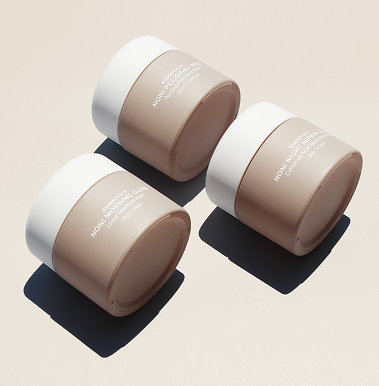
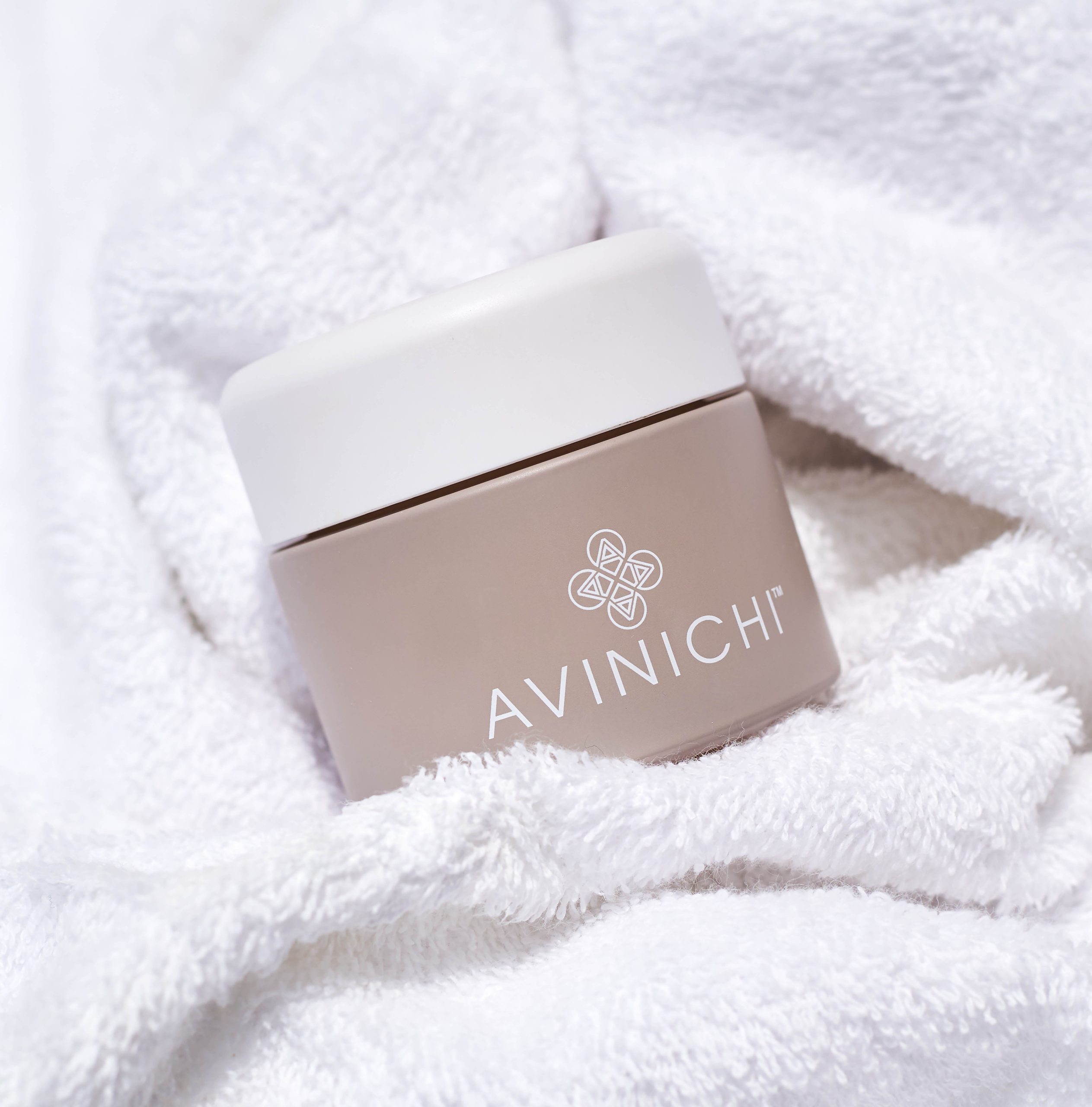
For those dealing with the remnants of winter, focus on ingredients that mimic the natural lipids of the skin. Fatty acids are the heroes here. These act like the mortar between the bricks of your skin cells, sealing in moisture. A perfect way to deliver these essential components is the Avinichi Noni Night Repair Cream. It’s designed to work while you sleep, providing a rich infusion of nutrients that helps the complexion recover from a day of harsh environmental exposure. Alongside its fatty acid content, this cream features sunflower seed oil and sodium hyaluronate to leave hydration levels feeling deeply replenished.
For those dealing with the onset of spring sensitivity, the focus should shift to complexion-calming agents. Look for botanical extracts that are known for these properties to help dial down the internal alarm system. The Avinichi Noni Pore Purifying Toner is an excellent choice for this. It uses the power of botanical ingredients to calm the feel of the skin and minimize the appearance of pores, providing a refreshing sensation that helps ease the transition from the cold months.
The Role of Exfoliation in the Seasonal Shift
Exfoliation is perhaps the most misunderstood step during the transition from winter to spring. When you see flakes from winter skin damage, your instinct is to scrub them away. Resist that urge. Physical scrubs on a wrecked winter barrier are like using sandpaper on a sunburn. It only leads to more inflammation and slower healing.
If you’re dealing with spring sensitivity, chemical exfoliants like high-percentage acids can be too aggressive. Your skin is already in a reactive state, and introducing a strong peel can push it over the edge into a full-blown breakout or rash.
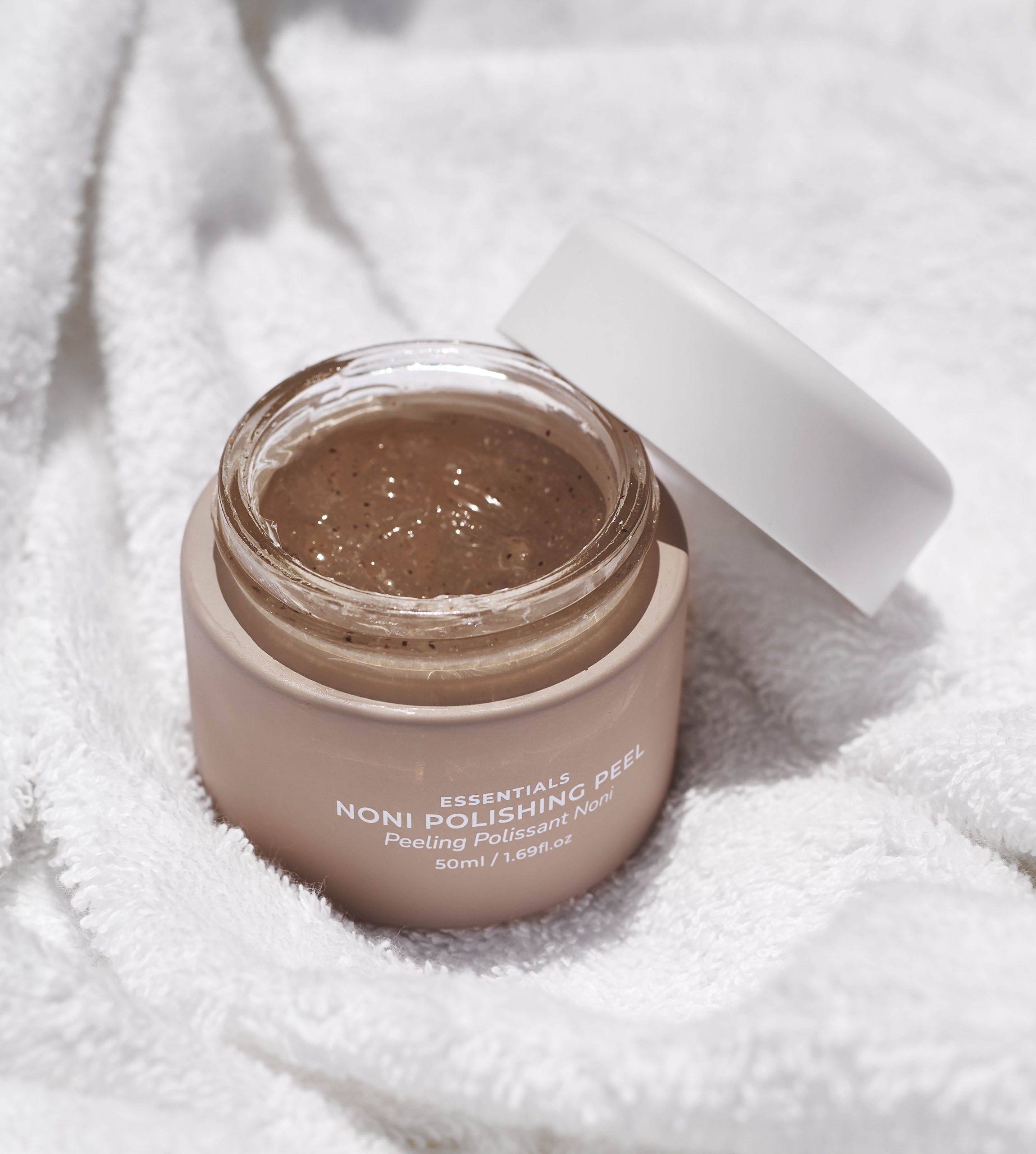
The best approach for both issues is a very gentle exfoliation once a week. This helps remove the dull, dead cells left over from winter without triggering the hyper-reactivity of spring. The Noni Polishing Peel from Avinichi is specifically formulated for this delicate balance. It lifts away impurities and smooths out the feeling of rough texture without the harshness of traditional scrubs, leaving your skin looking refreshed and ready for the new season. This peel is further enhanced with caffeine and mandelic acid to brighten the complexion while remaining kind to the skin barrier.
Environmental Factors You Might Be Overlooking
We often blame our bathroom vanity for our skin woes, but the environment plays a massive role. In late winter and early spring, the wind is a major factor. Windburn is a real form of winter skin damage that can linger for weeks. It strips away the thin layer of oil that protects your face, leaving it raw and exposed.
In spring, humidity starts to climb. While this is generally good for hydration, it also means your skin is producing more sebum. If you are still using a heavy winter face oil, that extra sebum can get trapped, leading to congestion. This creates a confusing situation where your skin feels oily on the surface but dry and sensitive underneath.
Temperature control is also a sneaky culprit. Many people keep their bedroom heaters on well into April. This prolonged exposure to dry heat at night prevents the skin from recovering from the day’s environmental stresses. Turning down the thermostat and using a humidifier can sometimes do more for your skin than an expensive serum.
Hydration vs. Moisture: A Crucial Distinction
To master the transition from winter skin damage to spring health, you must understand the difference between hydration and moisture. Hydration refers to the water content within the skin cells. Moisture refers to the oils that sit on top of the skin to keep that water from evaporating.
Winter skin damage usually requires both. You need to put water back in and then lock it down with a sturdy oil layer.
Spring sensitivity, however, often prefers hydration over heavy moisture. Sensitive skin loves water-based soothing gels and mists that provide a cooling effect. Heavy oils can sometimes feel too heavy or occlusive when the weather warms up, leading to a sweaty, uncomfortable feeling that exacerbates sensitivity.
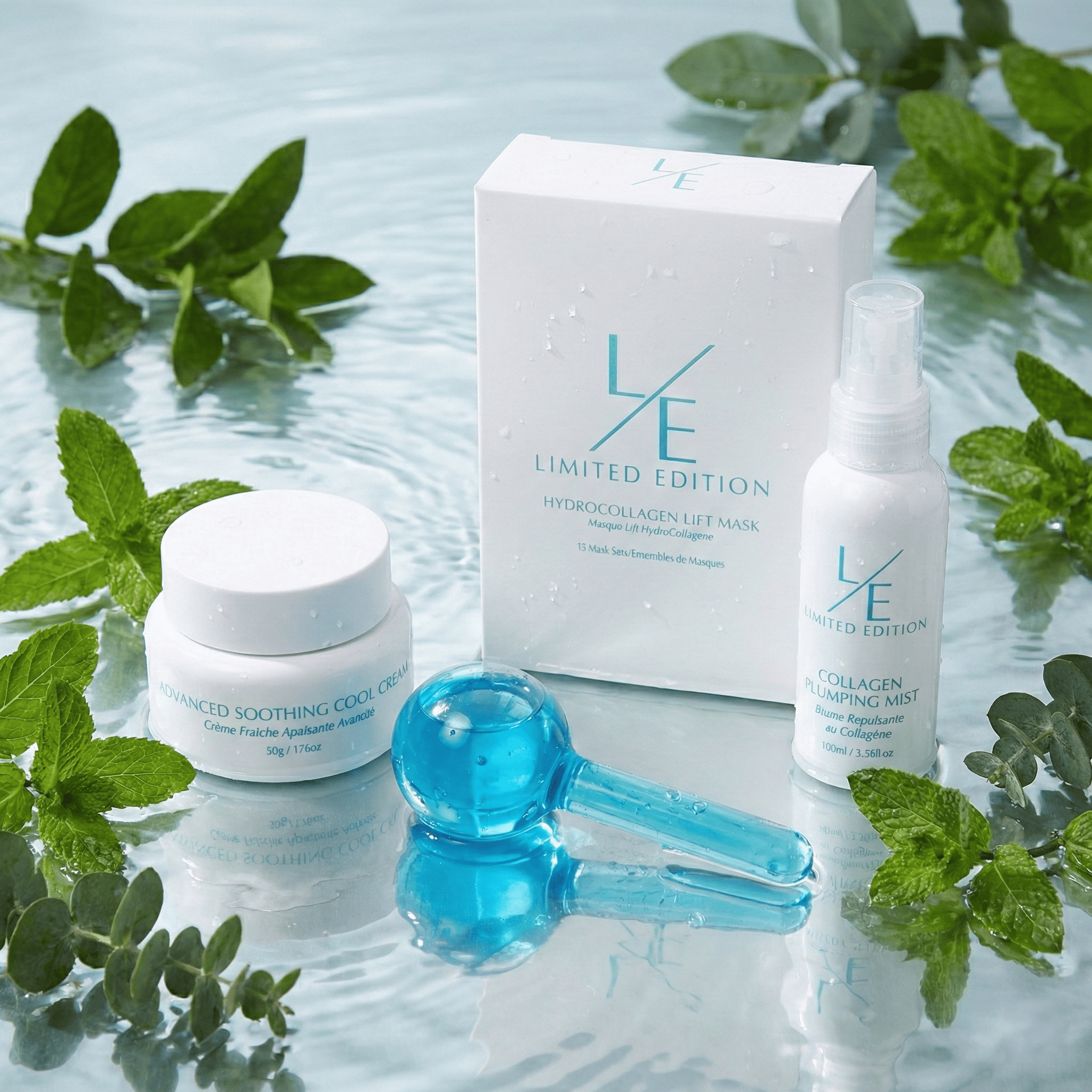
Try using a facial mist filled with hydrating ingredients throughout the day if you suspect spring sensitivity. The facial mist found in the Collagen Cooling Set is a fantastic tool for this. It provides an immediate burst of hydration and a cooling sensation that can help soothe the feel of skin that’s overheated or reactive. To keep things looking firm and bouncy, the mist also incorporates soluble collagen and organic noni fruit extract. Both support a youthful appearance.
Simple Steps to Bridge the Gap

If you’re currently stuck between these two seasonal states, here is a simple plan to help your skin find its footing.
First, simplify your routine. Strip it back to a gentle cleanser, a basic hydrator, and a reliable sun protector. Give your skin a week to breathe without the interference of complex actives or new potent treatments.
Second, pay attention to your cleansing habits. Hot water is the enemy of both winter-damaged and spring-sensitive skin. Use lukewarm water that feels barely warm to the touch. This prevents stripping away the precious natural oils you have left and keeps the skin from becoming further inflamed.
To ensure your cleansing step is as kind as possible, reach for Avinichi’s Noni Mousse Cleanser. Its light and airy texture effectively removes the day without the harsh stripping effects of traditional soaps, making it the perfect bridge between the seasons. This cleanser also boasts organic chamomile and calendula to ensure your face feels calm and soft after every wash.
Third, never skip the sun protection. As mentioned earlier, spring sun is surprisingly potent. Even on cloudy days, UV rays are working against your skin’s recovery process. Choose a formula that offers both protection and hydration, like the Noni Sol Shield Cream SPF 30. It provides the necessary shield against the increasing spring sun while keeping your moisture levels balanced throughout the day. This SPF moisturizer also features antioxidant-rich green tea and vitamin E to help neutralize the appearance of environmental stressors before they cause trouble.
Frequently Asked Questions About Winter Skin Damage & Spring Sensitivities
Why does my skin get more sensitive when spring begins?
As the weather warms up, your skin faces a surge in environmental triggers, like pollen, dust, and higher UV levels. After months of being barraged by the cold, your skin barrier may still be weakened from winter, making it hyper-reactive to these new spring elements. This shift often leads to what we call spring sensitivity, characterized by sudden redness or itching.
How can I tell if I have winter skin damage or just a temporary breakout?
Winter skin damage typically presents as a consistent, overall texture issue, such as flaking, dullness, or a parchment-like feel that lasts for weeks. A temporary breakout is usually more localized and disappears within a few days. If your skin feels tight and rough across your entire face despite using moisturizer, you are likely dealing with the lingering effects of winter.
Can I use the same products in spring that I used in winter?
It’s usually best to adjust your routine as the humidity rises. While winter skin damage needs heavy, occlusive creams to seal in moisture, spring sensitivity often responds better to lighter, water-based hydration. Transitioning to a gentler cleanser and adding a cooling mist can help your skin adapt to the changing weather without becoming congested or irritated.
Looking Forward to a Glowing Spring
The transition from winter skin damage to spring sensitivity is a journey that almost everyone faces. It’s a sign that your body is attempting to adapt to a changing world. By recognizing the difference between the depletion of winter and the reactivity of spring, you can tailor your approach and avoid unnecessary frustration.
Click here to boost your spring skincare routine with more bestselling products from Avinichi.